Stone Soup Garden
Stone Soup Garden
Contact: Patrick Certain
Address: 2247 Old US 10 Laurel, MT, 59044
Phone: 406-853-5728
Website: stonesoup.garden
About Us
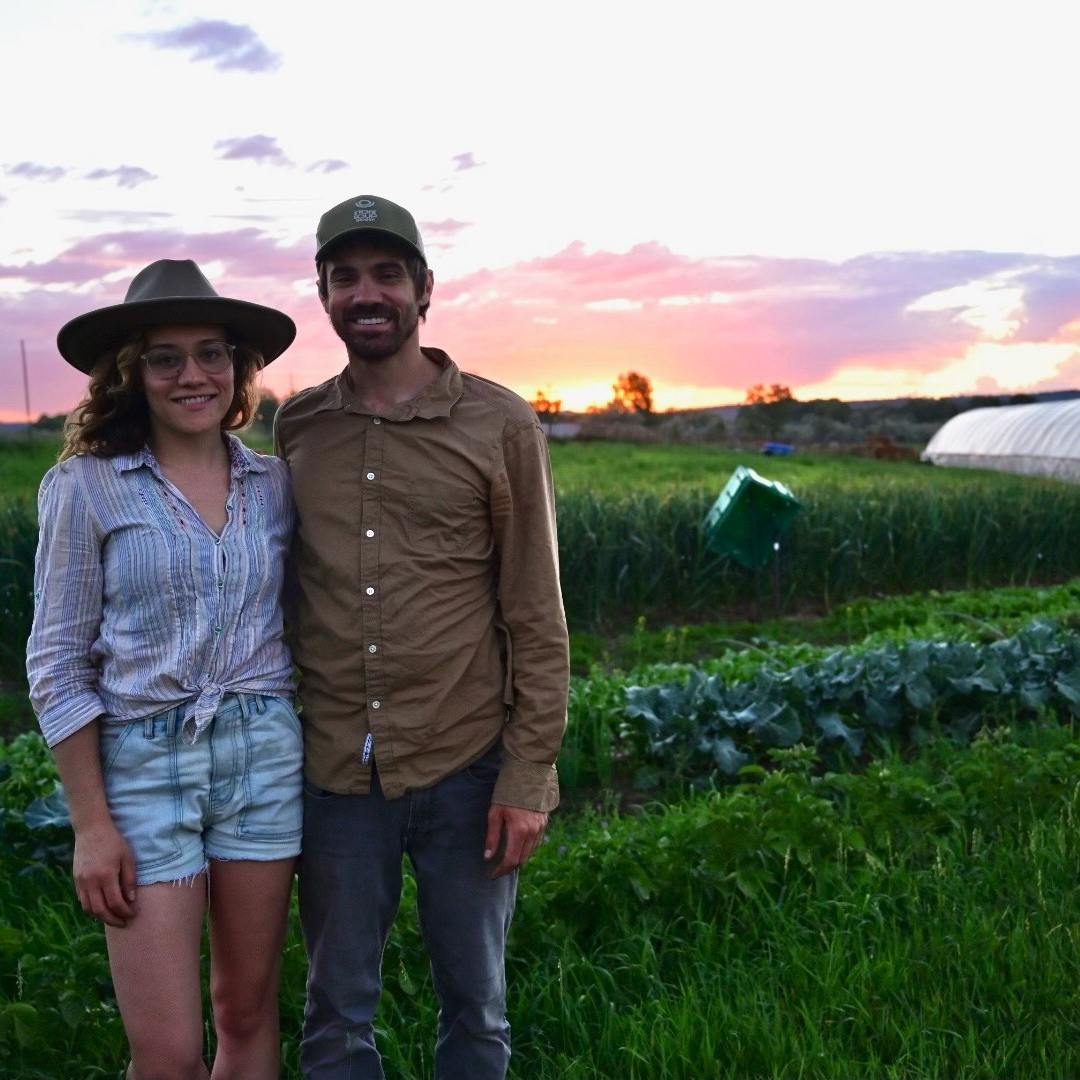
Stone Soup Garden is a small-scale, regenerative farm in south-central Montana led by young farmers striving to cultivate healthy soil, food, and community. We believe that healthy soils grow healthy food to nourish healthy people who can thereby create vibrant, equitable, and resilient community.
WHY "STONE SOUP"?
Much like the old parable, Stone Soup Garden is committed to sharing as a means of creating resilient community. When we care and look out for each other's well-being, we create a community that’s better for everyone. And – let's be honest – we would have never made it this far if it weren't for generous friends, family, and mentors.
Another reason for the name: we want our community to feel a sense of pride and ownership over the farm's development and success. The farm is a place where you can come get your hands in the dirt and share in the joy of harvesting your own carrot. Stone Soup Garden's vision has never been to enrich one person but to create a community centered around healthy food!
WHY "STONE SOUP"?
Much like the old parable, Stone Soup Garden is committed to sharing as a means of creating resilient community. When we care and look out for each other's well-being, we create a community that’s better for everyone. And – let's be honest – we would have never made it this far if it weren't for generous friends, family, and mentors.
Another reason for the name: we want our community to feel a sense of pride and ownership over the farm's development and success. The farm is a place where you can come get your hands in the dirt and share in the joy of harvesting your own carrot. Stone Soup Garden's vision has never been to enrich one person but to create a community centered around healthy food!
Practices
In pursuit of growing healthy food to nourish our community, we pay attention to the principles of soil health management systems, which include:
- Minimizing soil disturbance — low-till or no-till operations help maintain soil organic matter and structure. Tillage can cause soil compaction, reducing water infiltration, and disrupt the natural biological cycle and structure of the soil.
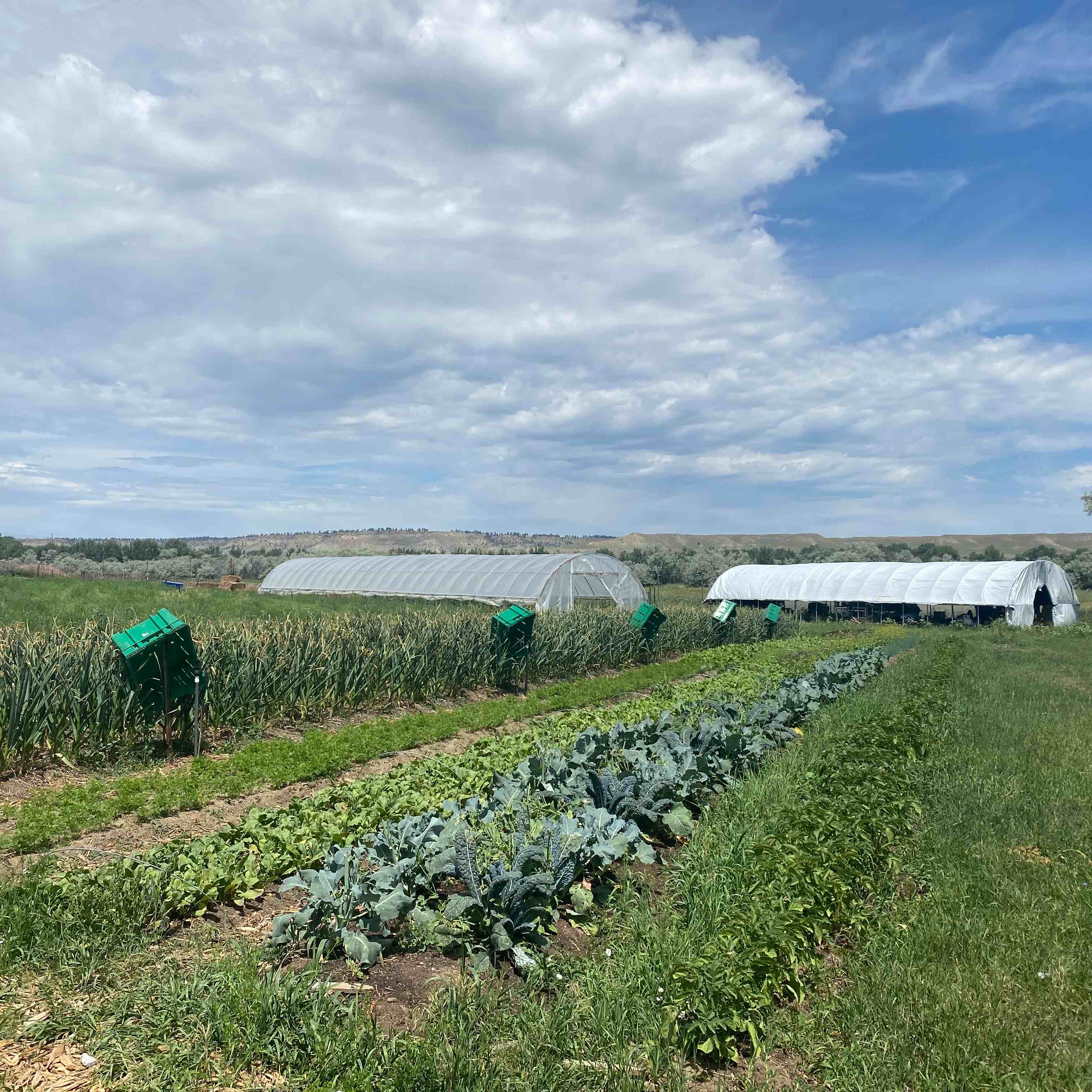
- Maintaining living roots in the soil — We utilize cover crops throughout the winter so that living roots remain in the soil, even when we're not growing food crops. Roots help keep soil in place to prevent erosion, fix nutrients in the soil, and crowd out undesirable plants. We commonly use a mixture of peas, to help fix nitrogen in the soil, and rye grasses, which grow quickly to outcompete weeds, and others sourced from local North 40 Ag.
- Maximizing Soil Cover — Having soil covered, e.g. via plants or mulch, helps protect soil from wind and water erosion. When our ground isn't full of crops during the growing season, we plant cover crops.
- Maximizing Biodiversity — biodiversity includes the variety of plants, animals and microorganisms in our ecosystem. Every year, we typically grow over 40 types of vegetables and dozens of flowers and herbs, rotating where they're grown year over year.
We also add nutrients and organic matter to our soils by incorporating compost. Our compost is made onsite and created from a mix of wood shavings from Montana Block Company, other "browns" like leaves, and local food scraps collected from around Billings by our friends at Swift Buckets. We also use Big Sky Bio, a liquid soil conditioner made by Swift Buckets fermenting food scraps. These soil conditioners are full of micro-nutrients that feed beneficial bacteria and boost the micro biology in soil. Healthy living soil retains water more efficiently.
We follow practices that would qualify us to be an organic farm, but are not yet certified organic by the USDA. (The process for formal organic certification takes several years and can be expensive.) There are no synthetic fertilizers, pesticides, or herbicides in our operation.
- Minimizing soil disturbance — low-till or no-till operations help maintain soil organic matter and structure. Tillage can cause soil compaction, reducing water infiltration, and disrupt the natural biological cycle and structure of the soil.
- Maintaining living roots in the soil — We utilize cover crops throughout the winter so that living roots remain in the soil, even when we're not growing food crops. Roots help keep soil in place to prevent erosion, fix nutrients in the soil, and crowd out undesirable plants. We commonly use a mixture of peas, to help fix nitrogen in the soil, and rye grasses, which grow quickly to outcompete weeds, and others sourced from local North 40 Ag.
- Maximizing Soil Cover — Having soil covered, e.g. via plants or mulch, helps protect soil from wind and water erosion. When our ground isn't full of crops during the growing season, we plant cover crops.
- Maximizing Biodiversity — biodiversity includes the variety of plants, animals and microorganisms in our ecosystem. Every year, we typically grow over 40 types of vegetables and dozens of flowers and herbs, rotating where they're grown year over year.
We also add nutrients and organic matter to our soils by incorporating compost. Our compost is made onsite and created from a mix of wood shavings from Montana Block Company, other "browns" like leaves, and local food scraps collected from around Billings by our friends at Swift Buckets. We also use Big Sky Bio, a liquid soil conditioner made by Swift Buckets fermenting food scraps. These soil conditioners are full of micro-nutrients that feed beneficial bacteria and boost the micro biology in soil. Healthy living soil retains water more efficiently.
We follow practices that would qualify us to be an organic farm, but are not yet certified organic by the USDA. (The process for formal organic certification takes several years and can be expensive.) There are no synthetic fertilizers, pesticides, or herbicides in our operation.